
Three Million Wild Daffodils: Shimoda’s Winter Suisen Matsuri (2026–2027)
Sweet floral scents, rugged volcanic coastline, and sweeping ocean views across the Suzaki Peninsula.
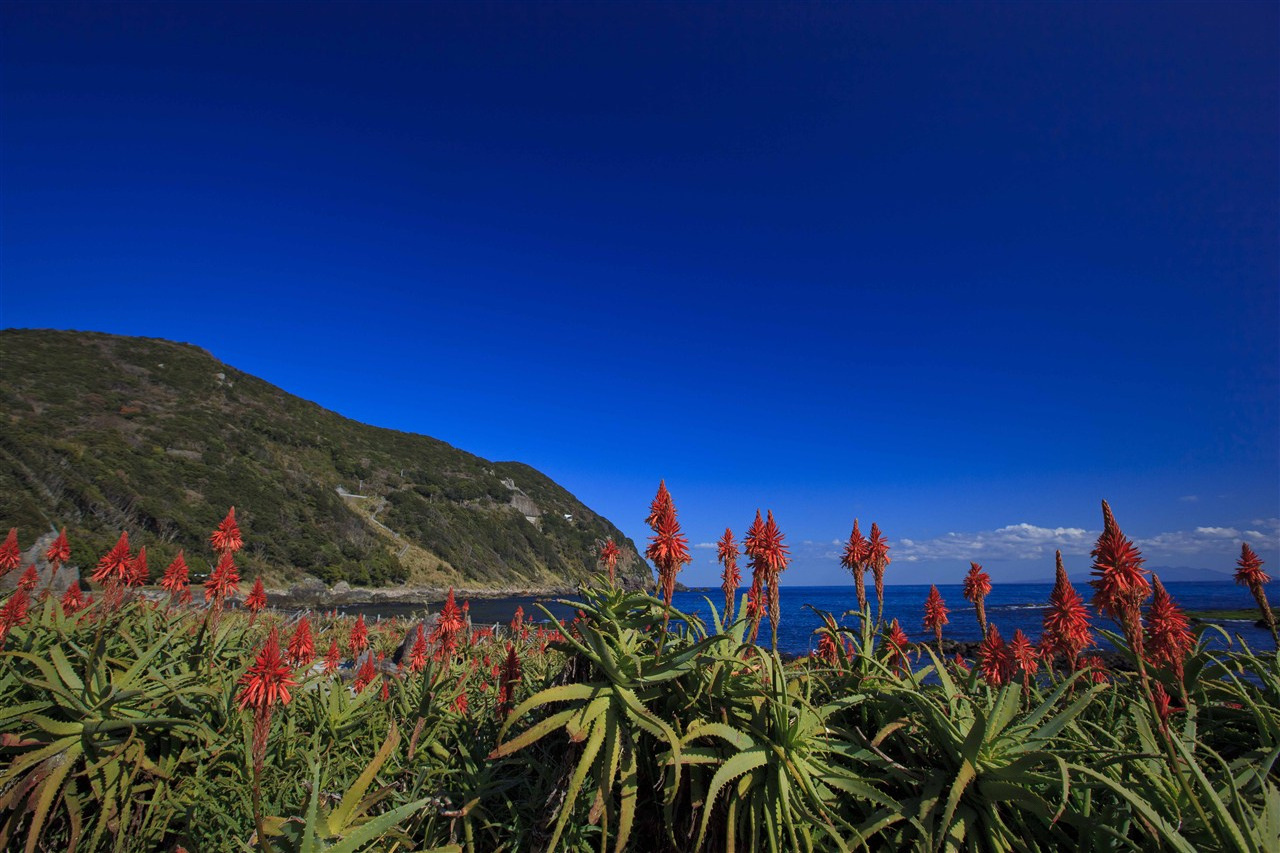
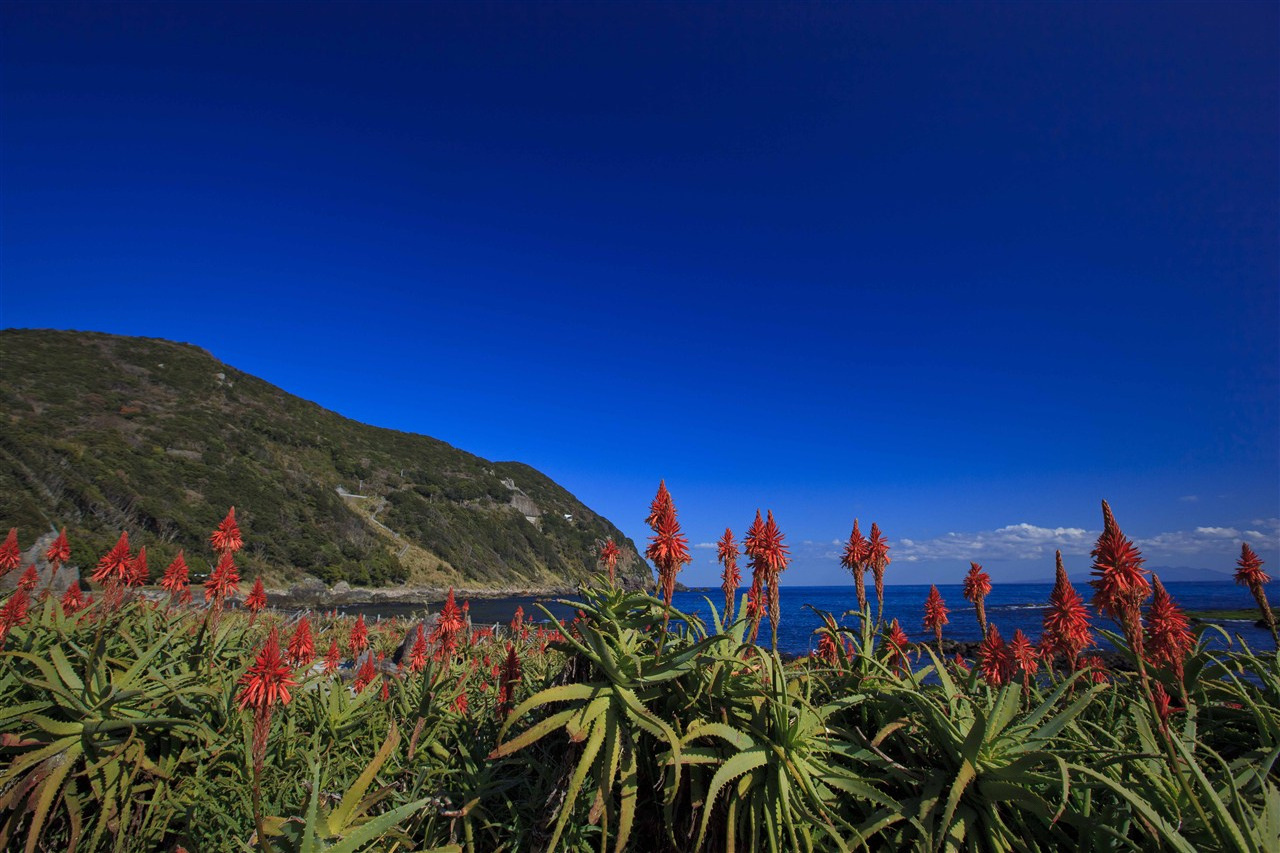
While winter blankets northern Japan in deep snow, southern Izu welcomes an entirely different seasonal landmark. Every winter, the coastal slopes of Cape Tsumekizaki burst into a sea of white and gold during the annual Suisen Matsuri (水仙まつり — Narcissus Festival).
Over three million wild daffodils bloom across the park’s ocean-facing hills, framing the historic white Tsumekizaki Lighthouse and the deep blue expanse of the Pacific. As coastal breezes carry the flowers’ sweet fragrance across the bay, visitors can wander winding stone trails, marvel at ancient volcanic rock formations, and taste freshly prepared seafood from local coastal vendors.
Festival Program & Essential Details
| Dates | December 20, 2026 – January 31, 2027 (Peak bloom: early-to-mid January) |
|---|---|
| Hours | Park grounds open all day; market stalls & exhibits operate 09:00 – 16:00 |
| Location | Tsumekizaki Natural Park, Suzaki District, Shimoda City |
| Admission | Free public entry (Standard parking fee of ¥500 applies for private cars) |
| Public Transit | Board the direct Tokai Bus from Izukyu-Shimoda Station (Bus Stop #10) bound for Tsumekizaki (approx. 15–20 minutes). |
Festival Highlights You Shouldn’t Miss
- Fishermen’s Fresh Soup (Ikedai-jiru): On select weekend mornings during the festival, local volunteers serve piping-hot bowls of miso soup simmered with locally caught fish in giant iron cauldrons.
- The Columnar Basalt Formations (Tawaraiso): Take the short trail descending toward the water’s edge to examine geometric basalt rock formations created by ancient submarine volcanism millions of years ago.
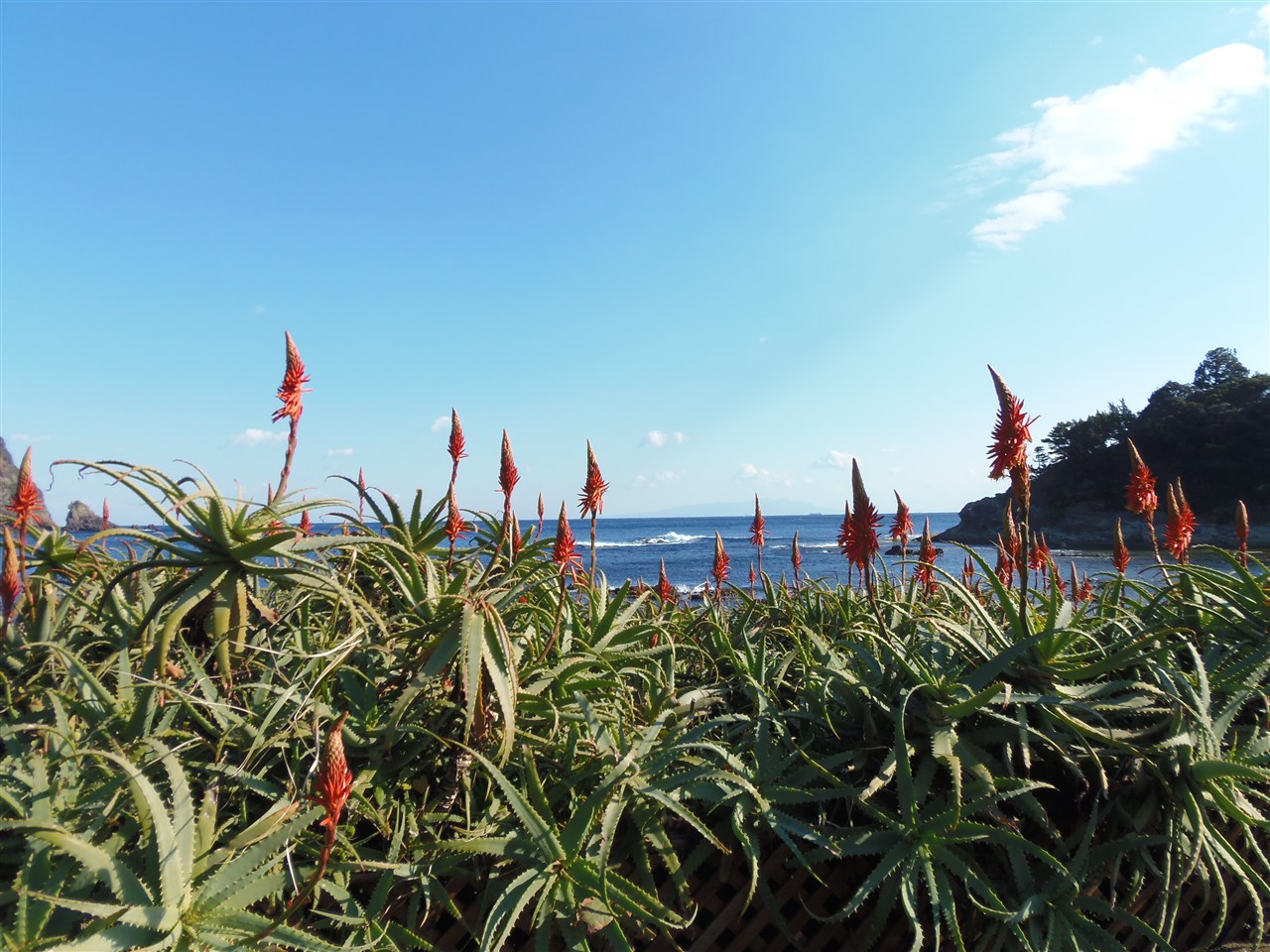
- Winter Walking Trails: The coastal path connects the daffodil gardens to the historic Tsumekizaki Lighthouse, offering clear winter views of the offshore Izu Seven Islands (Oshima, Toshima, and Niijima).
Leave a Reply