
Hosted by Shizuoka Prefecture / Organized by ELENTO LLC / TADAIMA 2026 (Oct 25 – Nov 22)
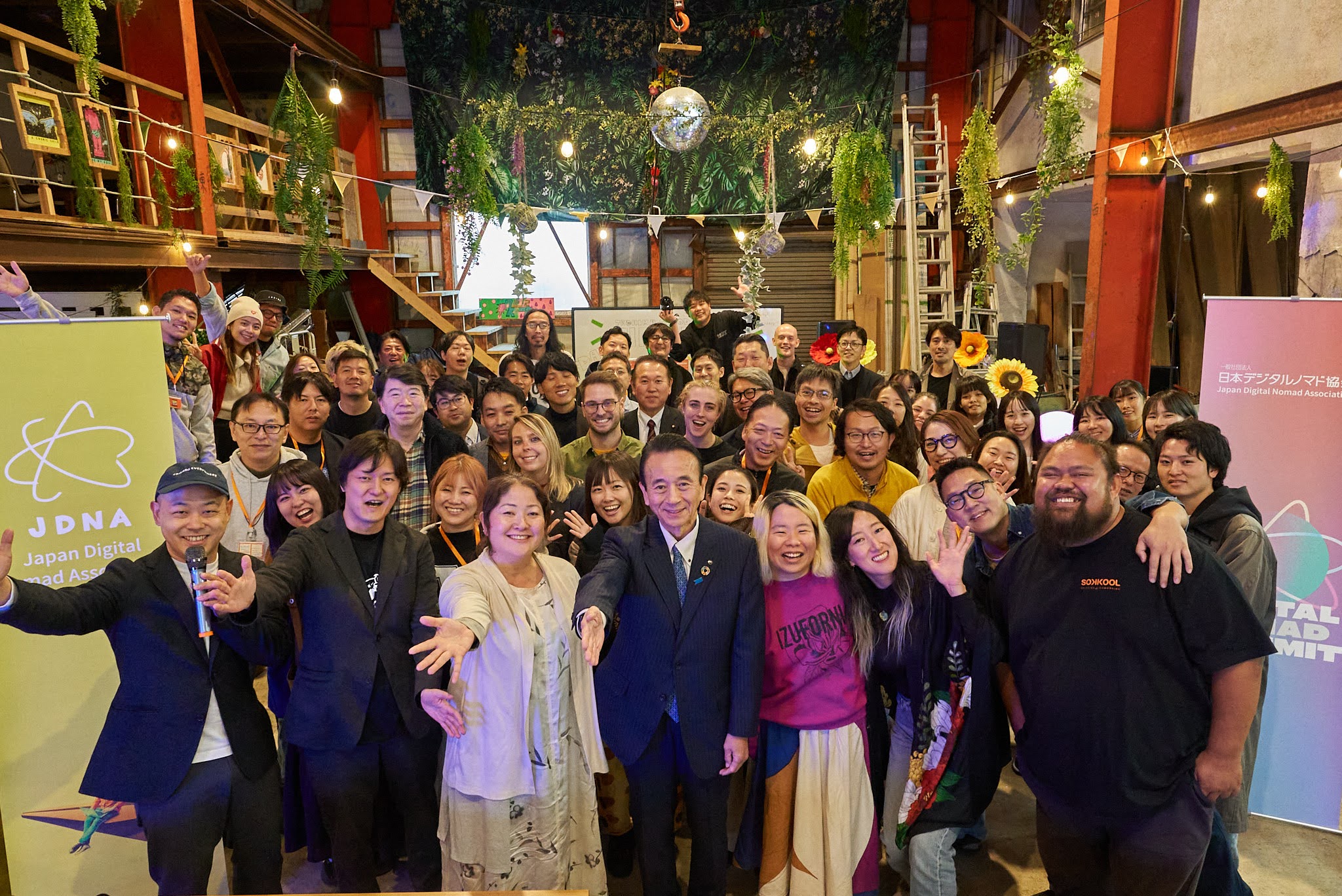
Friday, 6 November 2026 13:00–17:00 (doors 12:30) / Hotel Izukyu, Shimoda, Shizuoka
Digital Nomad
Symposium in Shizuoka
New Forms of Tourism and Lasting Connections
新しい観光と関係人口のかたち
DATE
Friday, 6 Nov
13:00–17:00 (doors 12:30)
VENUE
Hotel Izukyu
Shimoda, Shizuoka
FEE
Free
Registration required
LANGUAGE
JA + AI captions
Mainly in Japanese, with AI captions

Key Points
注目ポイント
Vice Governor Joins副知事登壇
Exploring new forms of tourism and local connections with the Vice Governor of Shizuoka.
Vice Governor Hidetsuna Tsukamoto joins Session 03, alongside three Shizuoka businesses from transport and tourism, regional finance and hospitality, to discuss what changes when a region opens itself to the world.
Global Case Study世界の最新事例
Two leaders behind Chiang Mai’s Nomad-Friendly District join us from Thailand.
Hear directly from the people building the Wat Ket district together with residents, government and local businesses — the results, and the difficulties too.
Dialogue対話
Small-group conversations with speakers, participants and visiting digital nomads.
Topics come from what participants tell us they want to ask or talk about, so you can put your question to the person directly.
What is a Digital Nomad?
デジタルノマドとは?
People who work remotely while choosing for themselves where to live, staying in one place after another. They are drawing attention as a source of new forms of tourism and of lasting connections with the places they stay.
People living this way — traveling the world while working with digital tools — are estimated at more than 35 million worldwide, with a market size put at USD 787 billion (as of 2022). Because long stays are expected to expand local spending and bring business opportunities, countries around the world now issue dedicated visas, and Japan introduced a residence status for digital nomads in April 2024.
Source: Japan Tourism Agency, “Knowledge Guide on Attracting Digital Nomads” (FY2025)
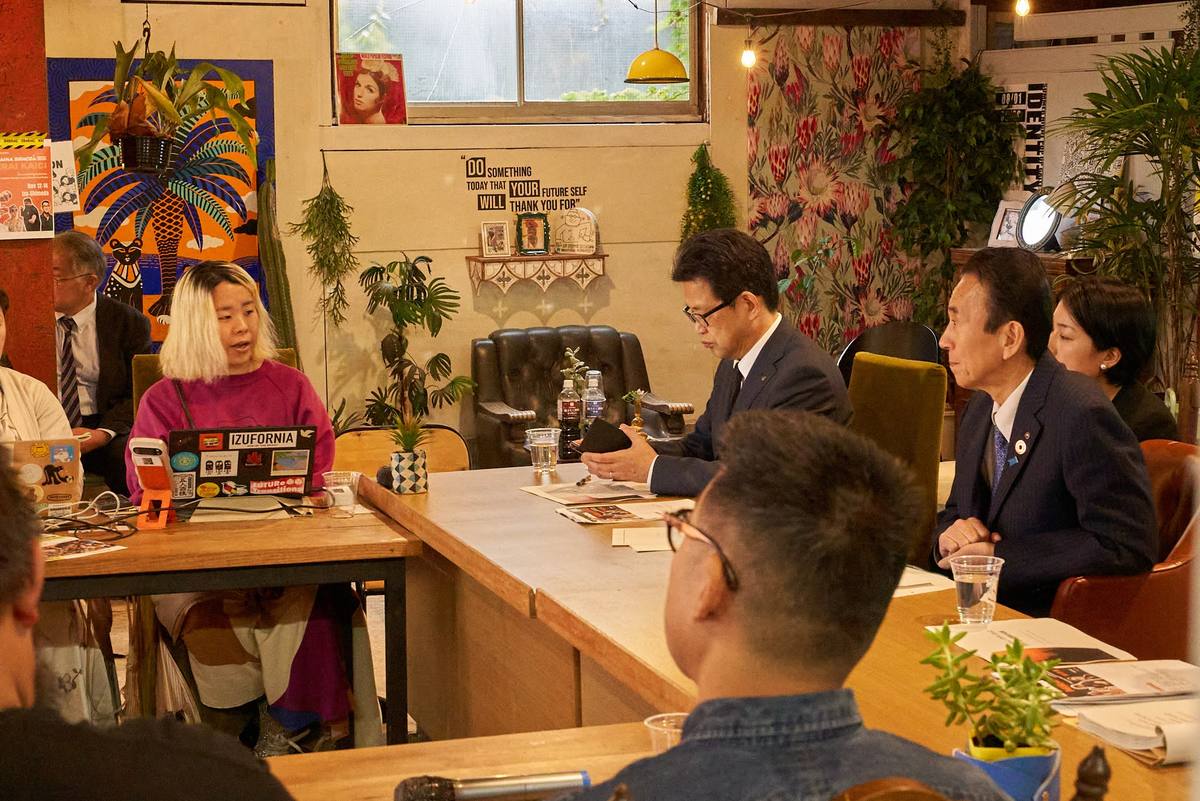
What is Chiang Mai’s Nomad-Friendly District?
チェンマイの「ノマドフレンドリー地区」とは
In the Wat Ket district of Chiang Mai, northern Thailand, local residents, government, businesses and the nomad community are working together on a shared initiative. It welcomes digital nomads not as tourists but as members of the community, and aims to turn their involvement into lasting strength for the area. In January 2026 it became an official sandbox program of Chiang Mai Province, and a public–private council was launched.

Read more +
It began as a conversation between neighbours
It started when John Ho, who runs a coliving space in Wat Ket, and Arisa Nimmanahaeminda, who works on community development in the same area, became neighbours. Through ongoing conversations they came to share a view: nomads are not tourists, but people who can build something together with the community. That view grew into an initiative for the whole district.
One document brought the agencies to one table
As a provincial-level program, the council brings together more than ten government agencies, covering tourism, immigration, the digital economy, education and more, and a Vice Governor of Chiang Mai takes part on behalf of the province. Its aim is to create positive impact for the local community by welcoming digital nomads. The details are still taking shape, but simply having a place where the relevant agencies keep coming back to the same table is already a significant step.
The private side in motion: CosmoLocal CNX
On top of the council, the public-sector framework, CosmoLocal CNX drives the private-sector side. In September 2026 it held a month-long pop-up village during the low season. Under four pillars, “AI for Chiang Mai”, “Food”, “Solopreneur” and “Nomad Futures Lab”, it opened a space where people from around the world and people from the area learned and made things together.
A blueprint for the district’s future, written by researchers
In the fourth pillar, Nomad Futures Lab, university researchers and futurists from Thailand and abroad spent three weeks interviewing residents and government officials. The work produced three outputs: a public exhibition, a blueprint for developing the district, and FAIWAYS, an imaginative publication for the public set in Chiang Mai in 2045. The blueprint is now being finalised and is due to be submitted to the authorities shortly.
What we’ll ask in this session
Because the initiative is new, the challenges are visible too: how to bring more local residents in, how to widen understanding of the initiative within government, and how to build the structure and funding to keep it going. In this session we will hear not only what has worked, but also these challenges, candidly.
Reference: Nikkei (2 September 2026); interviews with the speakers
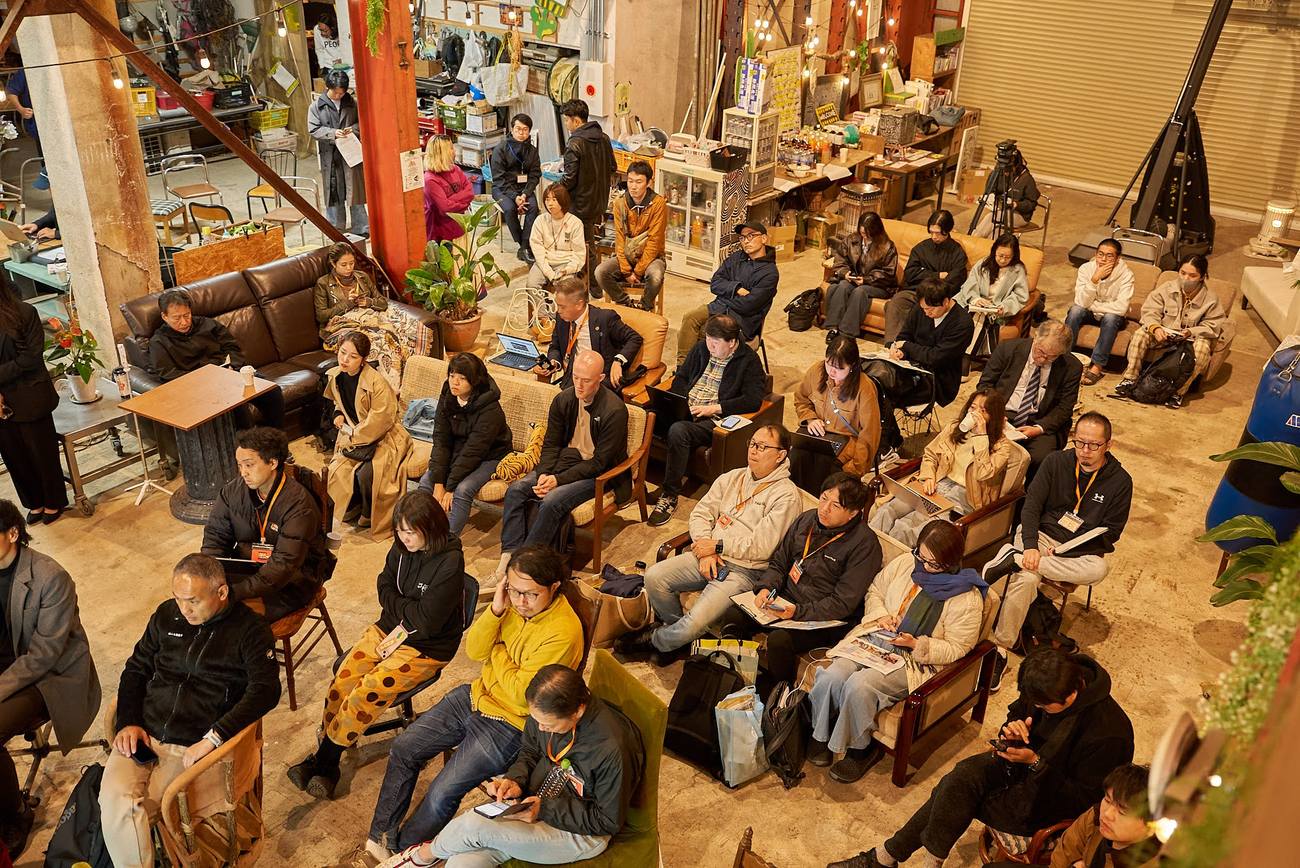
Program
プログラム
Local to Global – New Possibilities through Dialogue.
地域から世界へ、広がる対話。
12:30 Doors open / 13:00 Opening
Why Digital Nomads,
Why Shizuoka, Why Now?
なぜ今、静岡でデジタルノマドなのか
Moderator: Ryo Kato (Director, Japan Digital Nomad Association)
13:45–13:55 Break
Co-Creating Communities with Digital Nomads:
Lessons from Chiang Mai
タイ・チェンマイに学ぶ、地域とデジタルノマドの共創
The people driving the Nomad-Friendly District share how residents, government and local businesses are building the area together. In January 2026 the Nomad-Friendly District in Chiang Mai’s Wat Ket district became an official sandbox program of Chiang Mai Province, and a public–private council was launched. → What is the Nomad-Friendly District?
Reference: Nikkei (2 September 2026) / NIKKEI Asia (6 September 2026)
Moderator: Naoki Umeda (Representative, local is beat LLC)
14:35–14:45 Break
New Forms of Tourism
and Lasting Connections
新しい観光と関係人口のかたち
Moderator: Elena Tsukada (CEO, ELENTO LLC)
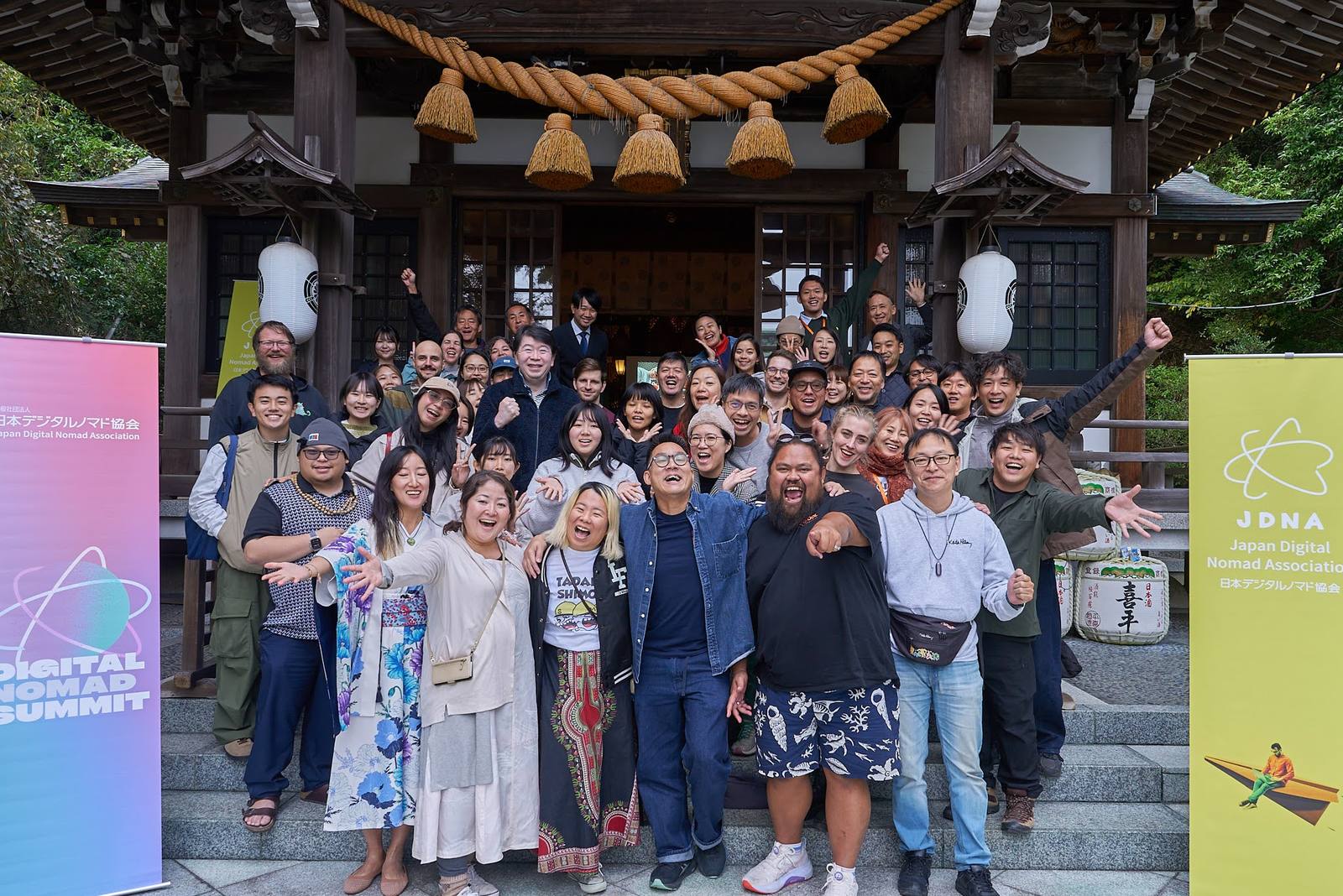
15:30–15:55 Group photo & break
Unconference:
Small-Group Dialogue
アンカンファレンス:少人数対話型セッション
Each group has someone bridging Japanese and English, so please do join the conversation.
Facilitators: Tomoe Nakano / Haren Tambi Run by: Japan Digital Nomad Association
16:50–17:00 Closing
* Speakers and program details are tentative and subject to change.
Free ・ Registration required
If a session catches your eye, start by registering.
Part 1 13:05–15:30
From where the world stands,
to what Shizuoka can build.
第1部 パネルディスカッション
Three panel discussions connect what is happening around the world with where Shizuoka stands today.
The global picture, the practice in Chiang Mai, and the reality of hosting in Shizuoka. Across three sessions, you take away something you can apply to your own region and your own business.
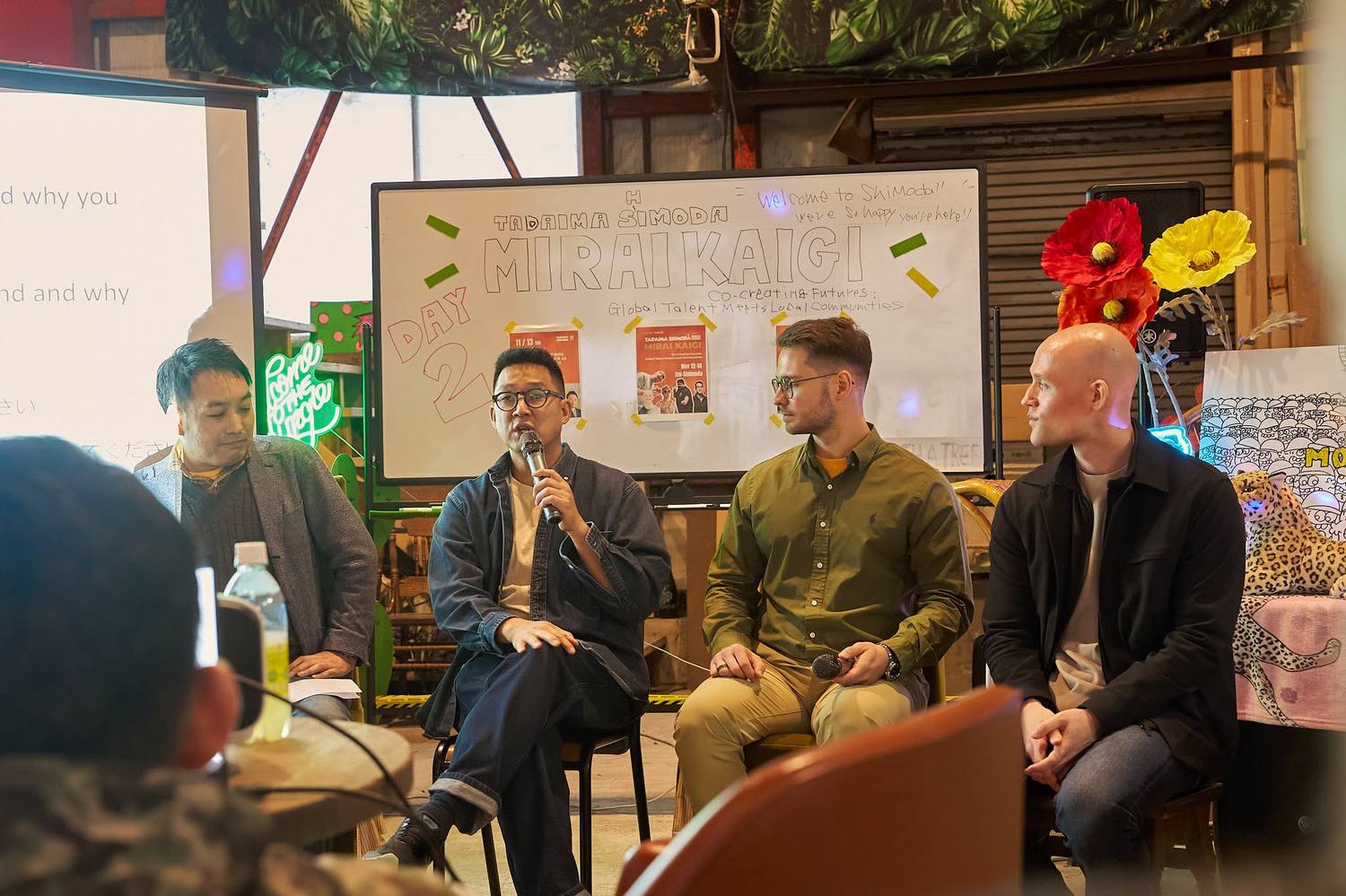
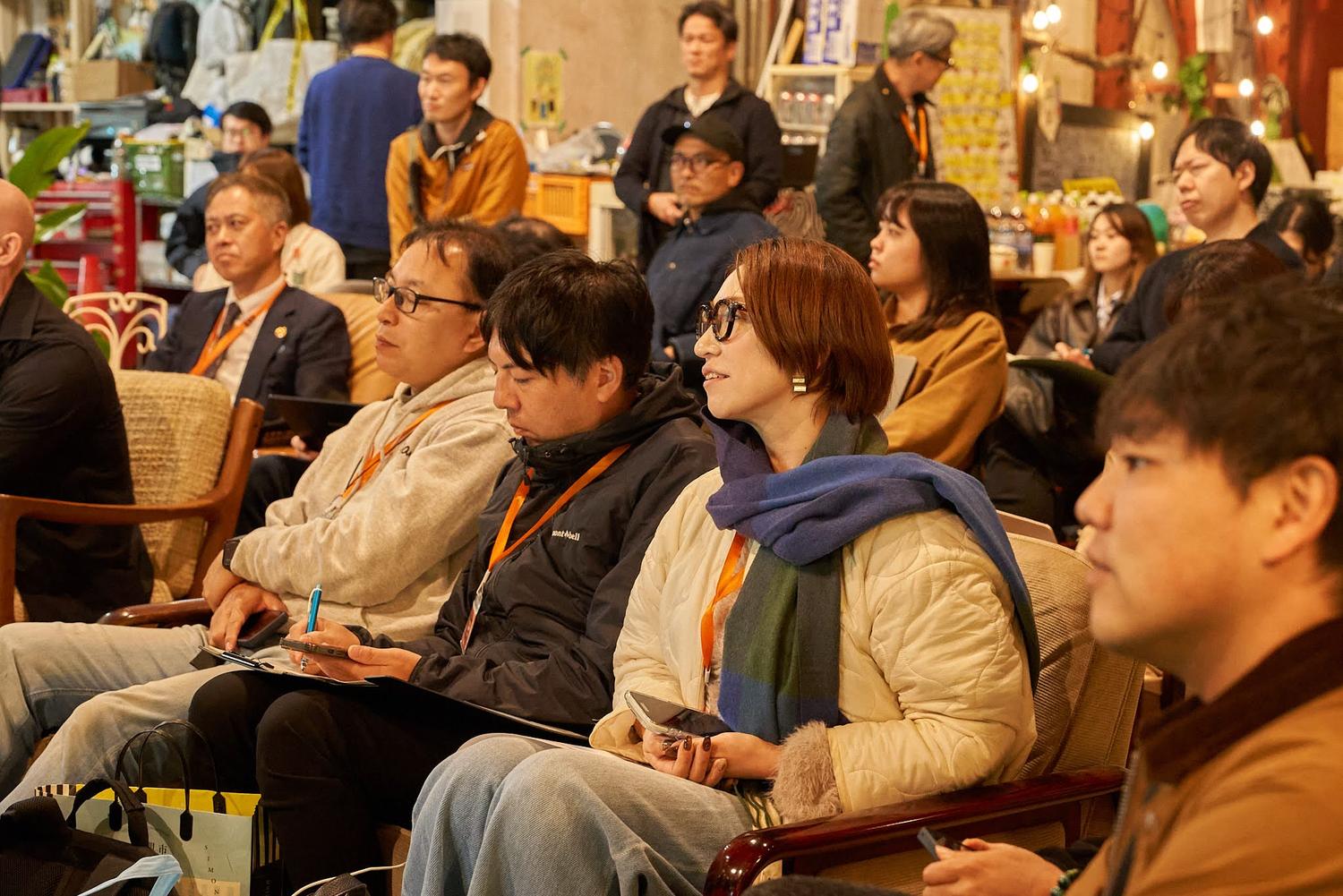
Speakers by Session
第1部の登壇者
Why Digital Nomads, Why Shizuoka, Why Now?
なぜ今、静岡でデジタルノマドなのか
We share global trends, visa developments around the world, and examples from Japan and Shizuoka.
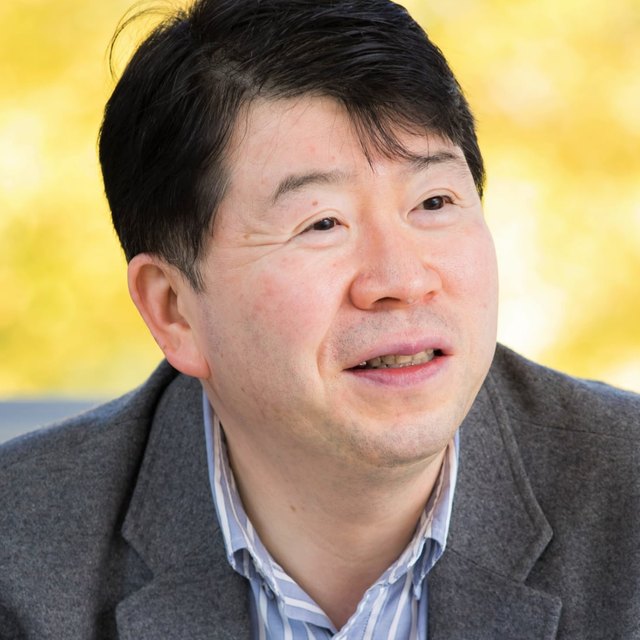
Atsushi Tanaka田中 敦Professor, Department of Regional Social Management, Faculty of Life and Environmental Sciences, University of Yamanashi
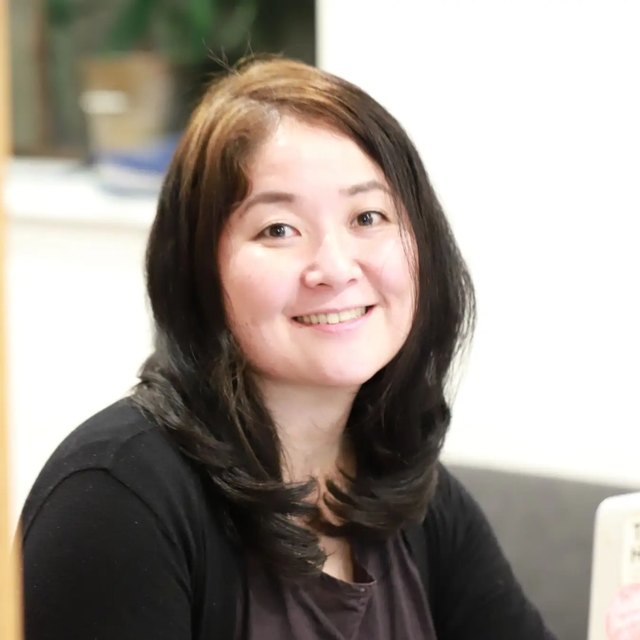
Tomoe Nakano (MOE)中野 智恵(MOE)Representative Director, Japan Digital Nomad Association
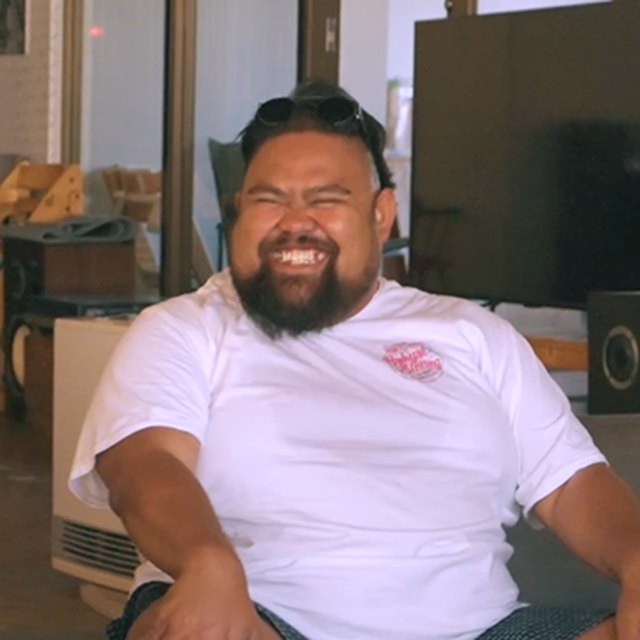
Haren Tambiハレン・タンビDigital Nomad Attraction Coordinator, Shimoda City Local Vitalization Cooperator
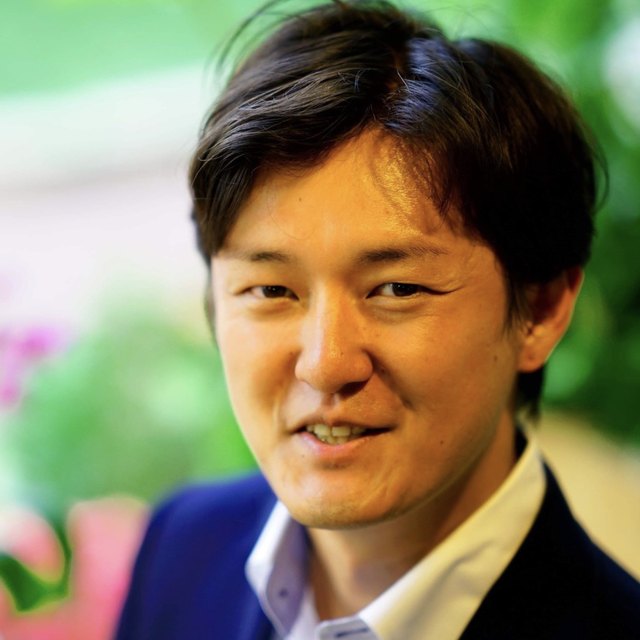
Moderator
Ryo Kato加藤 遼Director, Japan Digital Nomad Association
Co-Creating Communities with Digital Nomads: Lessons from Chiang Mai
タイ・チェンマイに学ぶ、地域とデジタルノマドの共創
Nomad-Friendly District leaders share how local residents, government and businesses are building communities together.

John Hoジョン・ホーFounder, Alt_Coliving / Initiator, Nomad-Friendly District Council|Chiang Mai, Thailand
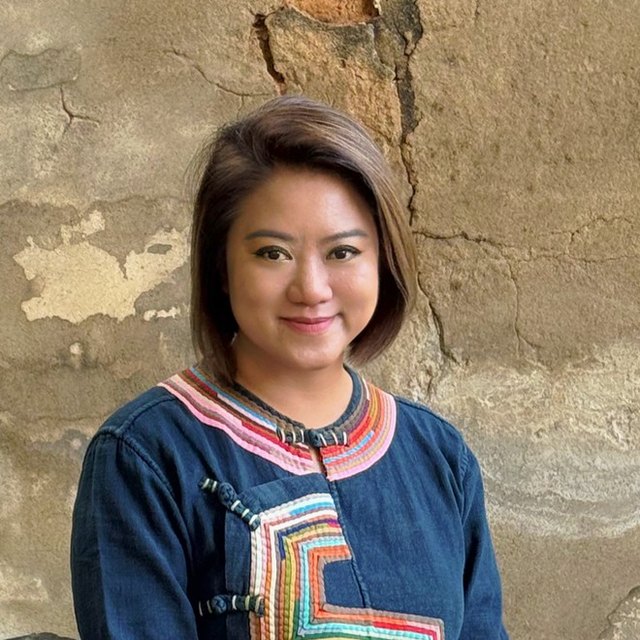
Arisa Nimmanahaemindaアリサ・ニンマンヘミンCEO, Anusarn Co., Ltd. / Co-initiator and Community Representative, Nomad-Friendly District Council|Chiang Mai, Thailand
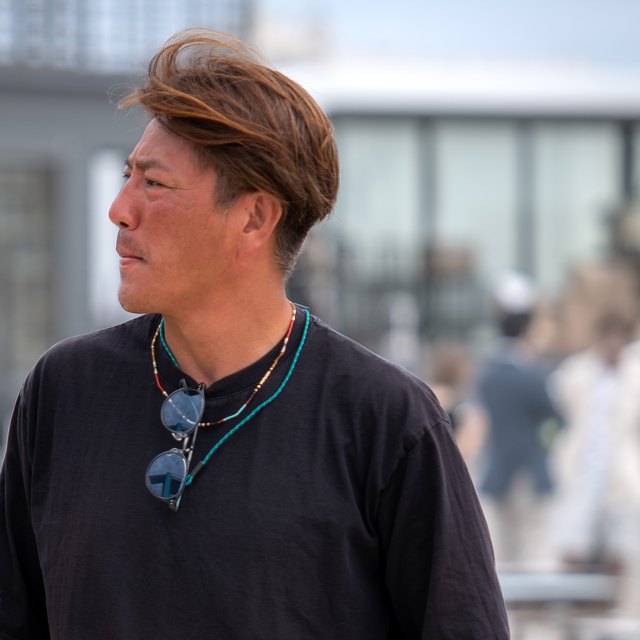
Moderator
Naoki Umeda梅田 直樹Representative, local is beat LLC
New Forms of Tourism and Lasting Connections
新しい観光と関係人口のかたち
Transport and tourism, regional finance, and hospitality: the Vice Governor of Shizuoka joins three Shizuoka businesses of different sectors and sizes to discuss what global kankei jinko — lasting ties with people beyond the region — could bring.
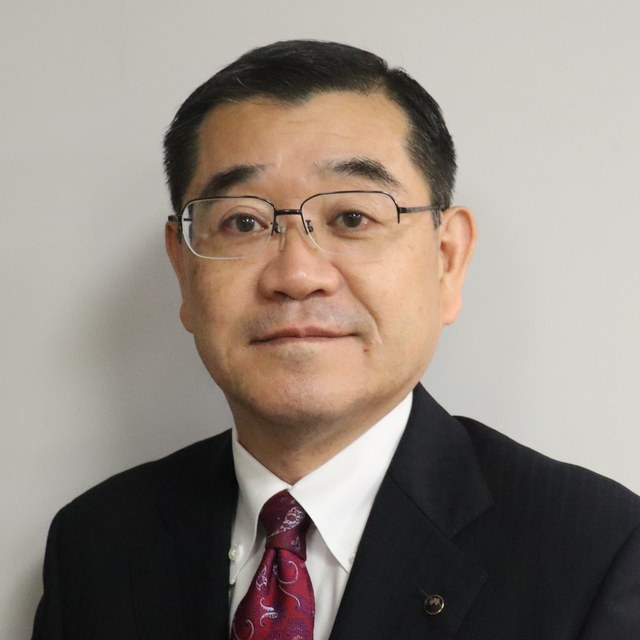
Hidetsuna Tsukamoto塚本 秀綱Vice Governor, Shizuoka Prefecture
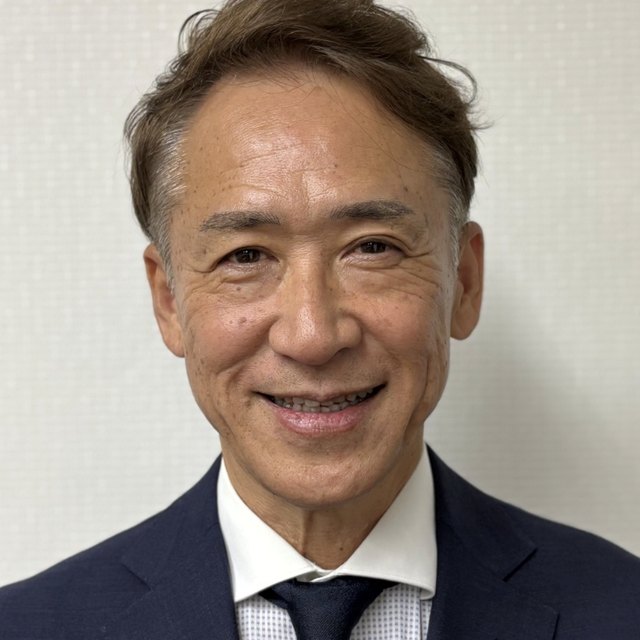
Nobuaki Hirasawa平澤 信明Executive Officer, General Manager of Sales, IZUKYU CORPORATION

Takeshi Ohashi大箸 武史Branch Manager, Shimoda Branch, The Shizuoka Bank
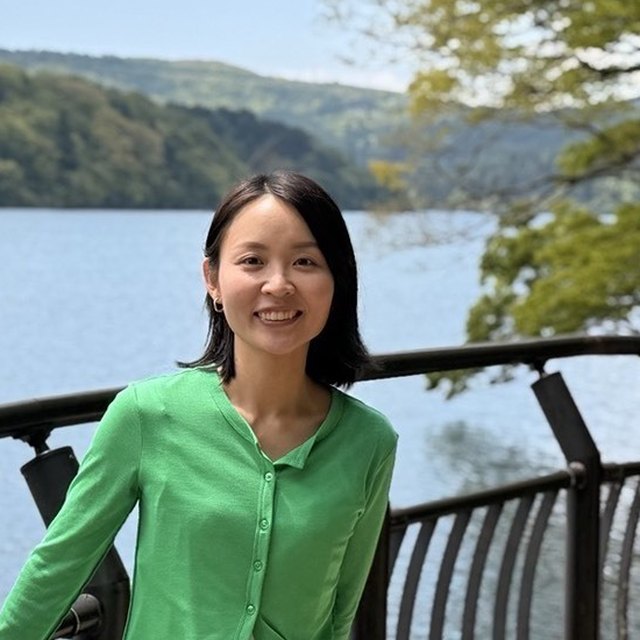
Saori Katayama片山 紗織Proprietress, Ginryotei|Matsuzaki, Shizuoka

Moderator
Elena Tsukada塚田 絵玲奈CEO, ELENTO LLC
* Speakers are subject to change.
Part 2 15:55–16:50
Across languages,
just ask them directly.
第2部 アンカンファレンス
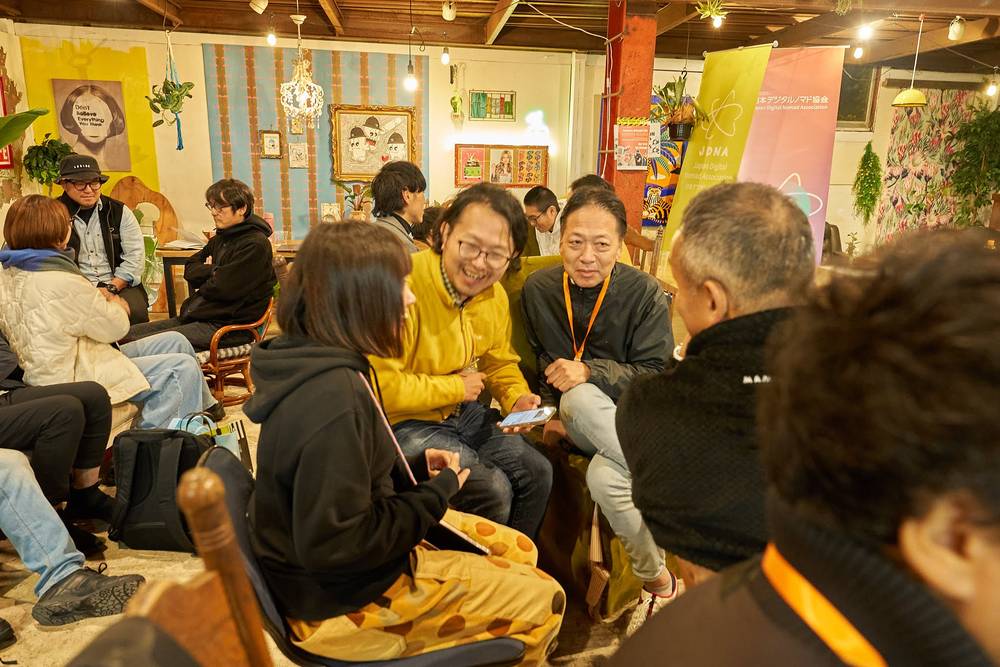
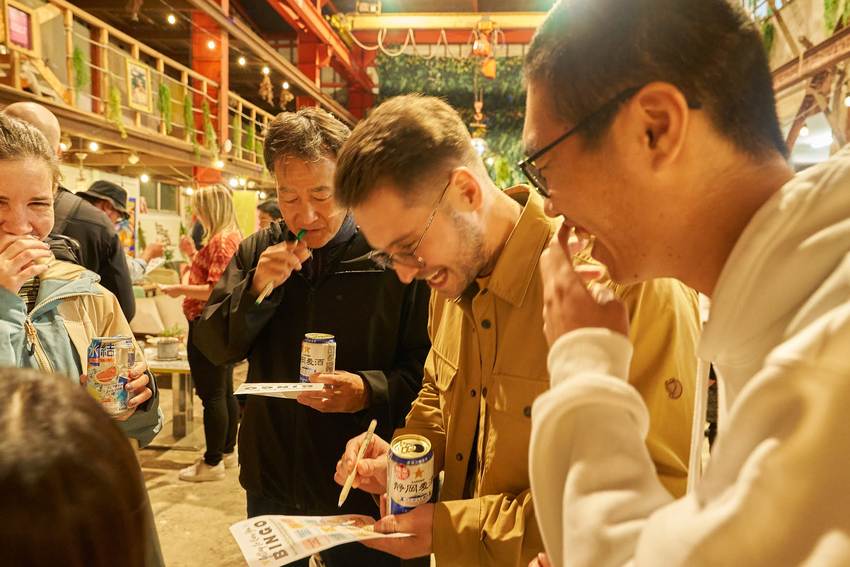
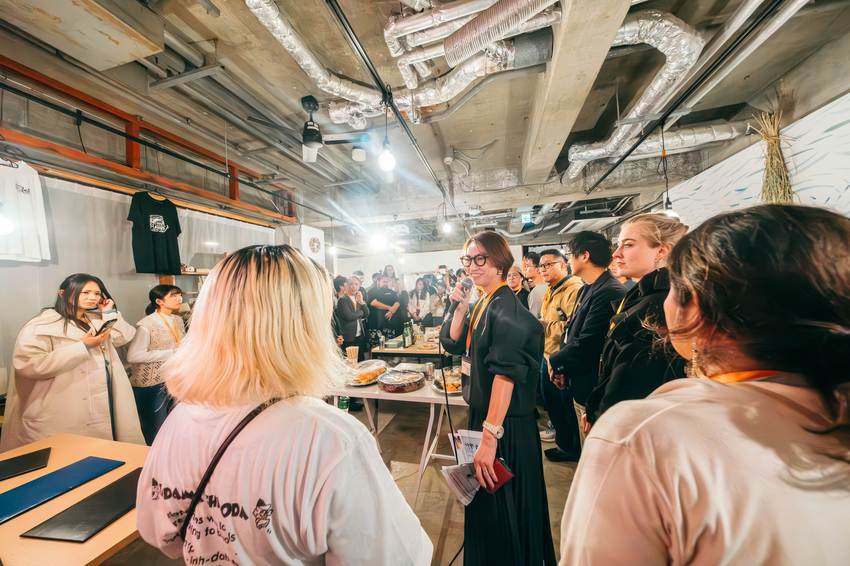
Talk to them. Whatever you have been wondering about, put it to the person there and then.
Topics are built from what participants tell us they want to ask or talk about. Small groups then talk with the speakers, with visiting digital nomads and with local businesses.
At an ordinary networking event, Japanese speakers and English speakers drift apart. Here, the roles of asking and answering are set in advance, so the conversation works regardless of language ability. Each group has someone bridging Japanese and English, so please do join in.
Facilitators: Tomoe Nakano / Haren Tambi Run by: Japan Digital Nomad Association
FAQ
よくあるご質問
The sessions are mainly in Japanese. Can I still take part?
Yes. The three panels run mainly in Japanese, with AI captions. When the international guests speak in English, AI captions display the Japanese. In Part 2 each group has someone bridging Japanese and English, so you can join regardless of language ability — and we hope you will.
Can I attend from outside Shizuoka Prefecture?
Yes. Participants from outside the prefecture are welcome.
We have not started hosting digital nomads yet. Can we still come?
Yes — this day is designed for exactly that. The program is built so that you leave with ideas you can apply in your own region and business.
What happens in Part 2?
Topics are built from what participants tell us they want to ask or talk about. Small groups then talk with the speakers, with visiting digital nomads and with local businesses.
Who are the digital nomads who will be there?
The symposium takes place during TADAIMA 2026 (25 October – 22 November 2026), a program ELENTO runs in Shimoda and the Kamo area. The nomads in the room are people actually staying and working in this region.
Venue & Access
会場・アクセス
Hotel Izukyu, Shimoda
ホテル伊豆急
- Address
- 2732-7 Shirahama, Shimoda-shi, Shizuoka 415-0012, Japan
- By train
- Nearest station: Izukyu-Shimoda (Izukyu Line), then bus or taxi
- Shuttle
- The hotel runs a free shuttle bus. Please check times and boarding on the hotel’s official website.
- By car
- Parking available
Register
参加登録
- Free of charge / Registration required
- For: tourism and transport operators, financial institutions, government, and local businesses
- Participants from outside Shizuoka Prefecture are welcome
Overview
開催概要
- Date
- Friday, 6 November 2026 13:00–17:00 (doors 12:30)
- Venue
- Hotel Izukyu (2732-7 Shirahama, Shimoda-shi, Shizuoka)
- Hosted by
- Shizuoka Prefecture
- Organized by
- ELENTO LLC
- In cooperation with
- IZUKYU CORPORATION / The Shizuoka Bank, Ltd. / Japan Digital Nomad Association
- For
- Tourism and transport operators, financial institutions, government, local businesses and others
Participants from outside Shizuoka Prefecture are welcome - Language
- Mainly Japanese, with AI captions. English remarks are captioned in Japanese.
- Fee
- Free (registration required)
After the symposium
The conversation continues at TADAIMA 2026.
TADAIMA 2026 is a program run by ELENTO in Shimoda and the Kamo area to build lasting global connections with the region (25 October – 22 November 2026). From the day after the symposium onward, there are more chances for the region and the world to meet, learn about the place, and learn from each other.
- Nov 5 ThuAcademic Workshop
- Nov 7 SatTADAIMA Mirai Kaigi 2026 A pitch event by local businesses, students and digital nomads
- Nov 8 SunWorld Culture Festival 2026
Secretariat (ELENTO LLC)
tadaima.shimoda@elento.jp
Contact form →
日本語ページ →
TADAIMA 2026 / 25 Oct – 22 Nov 2026
- Nov 5 ThuAcademic Workshop
- Nov 6 FriDigital Nomad Symposium
- Nov 7 SatTADAIMA Mirai Kaigi 2026
- Nov 8 SunWorld Culture Festival 2026
Fri 6 Nov, Shimoda